
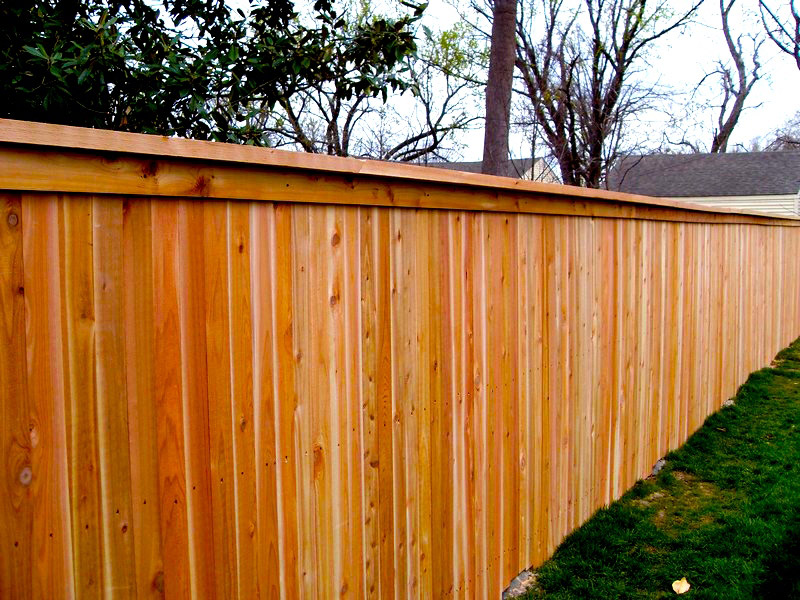
A wood fence is the most common residential fence in north Georgia. It is also the one that gets installed wrong more often than any other. The lumber moves with the seasons, the fasteners give up at exactly the wrong moment, and the same crews that pour beautiful concrete somehow forget to walk the line for plumb.
Contractors in our network build wood fences the slow way. We do not call a job done until our own crew has walked it from both ends and signed off that it stands the way it should.
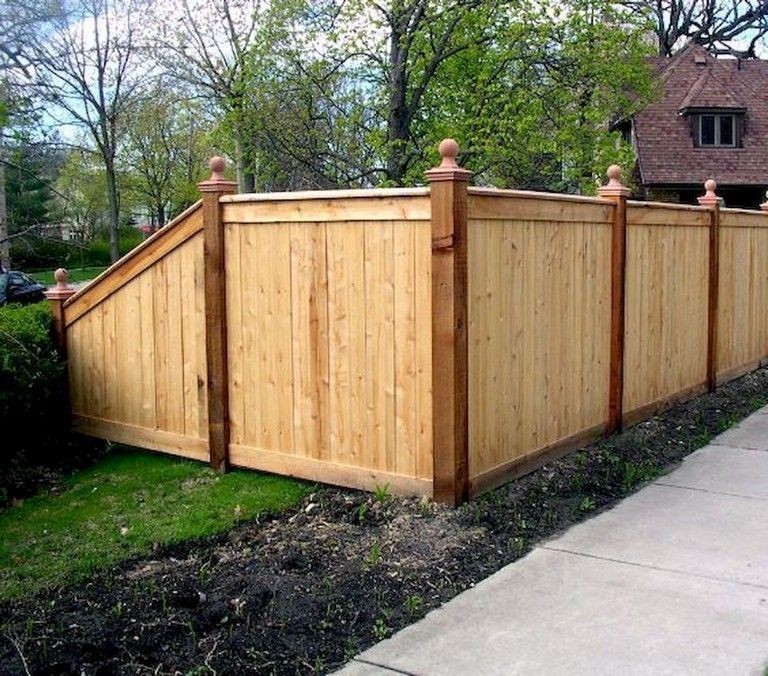
Cedar, Southern Pine, and the Honest Truth About Wood
Species matters less than craft, whether the job is a backyard privacy fence or a front-yard picket. Pressure-treated southern yellow pine is the workhorse, cedar is the upgrade, redwood is the splurge. We will install whichever one you pick — but the difference between a fence that lasts eight years and one that lasts twenty-five is not in the species you wrote on the contract.
It is in how the crew puts it together. Wrong fasteners on cedar will streak black down the boards in the first season. Skip the end-cut sealer on pressure-treated and the cuts rot out before the rest of the lumber even fades.
Concrete on Every Post, Cured Overnight, No Shortcuts
Posts are where every wood fence either succeeds or fails. The contractor we match you with dig deeper than the budget guys, set every post in concrete, and brace the run overnight before a single rail touches the line. We do not pour and panel in the same day.
The line cures, then we come back the next morning and build on it. Anyone who tells you they can pour and hang panels in a single afternoon is either lying or about to leave you calling us for fence repair or full fence replacement within a few seasons.
Stainless on Cedar, Galvanized on Pine, Always
Hardware is the second place we put real attention. Pressure-treated lumber eats cheap fasteners alive, and cedar reacts with anything that is not stainless. We do not stock bright-finish or interior-grade hardware on the truck, period.
Every fastener that goes into a wood fence on our jobs is hot-dipped galvanized at minimum, stainless on cedar, and contractors in our network use ring-shank nails on the pickets so they do not back out under seasonal movement. That last detail alone is the difference between a fence you stop noticing and one that looks tired by year three.
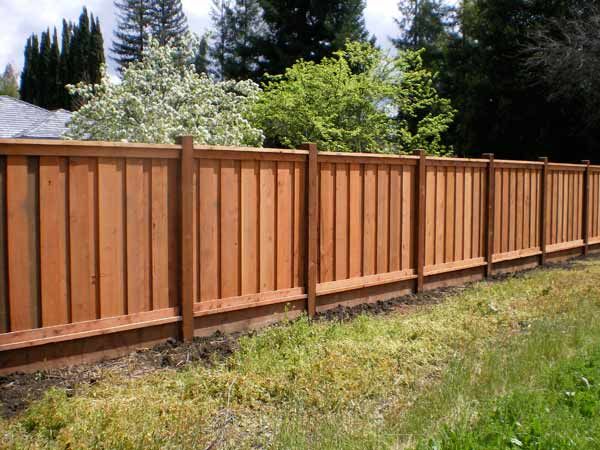
Picket Layout That Reads Straight From Your Patio
Picket layout is the part you see the most. Contractors in our network set rail heights consistent with the rest of the street so a new fence does not stick out next to your neighbor's existing run, leave the right gap for the species so the boards do not split or show daylight after the first dry spell, and walk the line every few panels to keep the run straight. Sloppy picket layout makes a brand-new fence look tired the day it goes up.
There is no fix for it later.
Wood Gates That Stay Square Through Twenty Summers
Gates close out the job. Local pros in our network hang every wood gate on heavy-duty hinges, brace the frame diagonally so the rectangle does not rack into a parallelogram over the years, and run it through a full swing before we leave. A wood gate built right will swing as cleanly at year ten as it did the day we hung it.
A wood gate built cheap will be dragging in your bermudagrass by next spring.
Recent Wood Fence Installation Projects
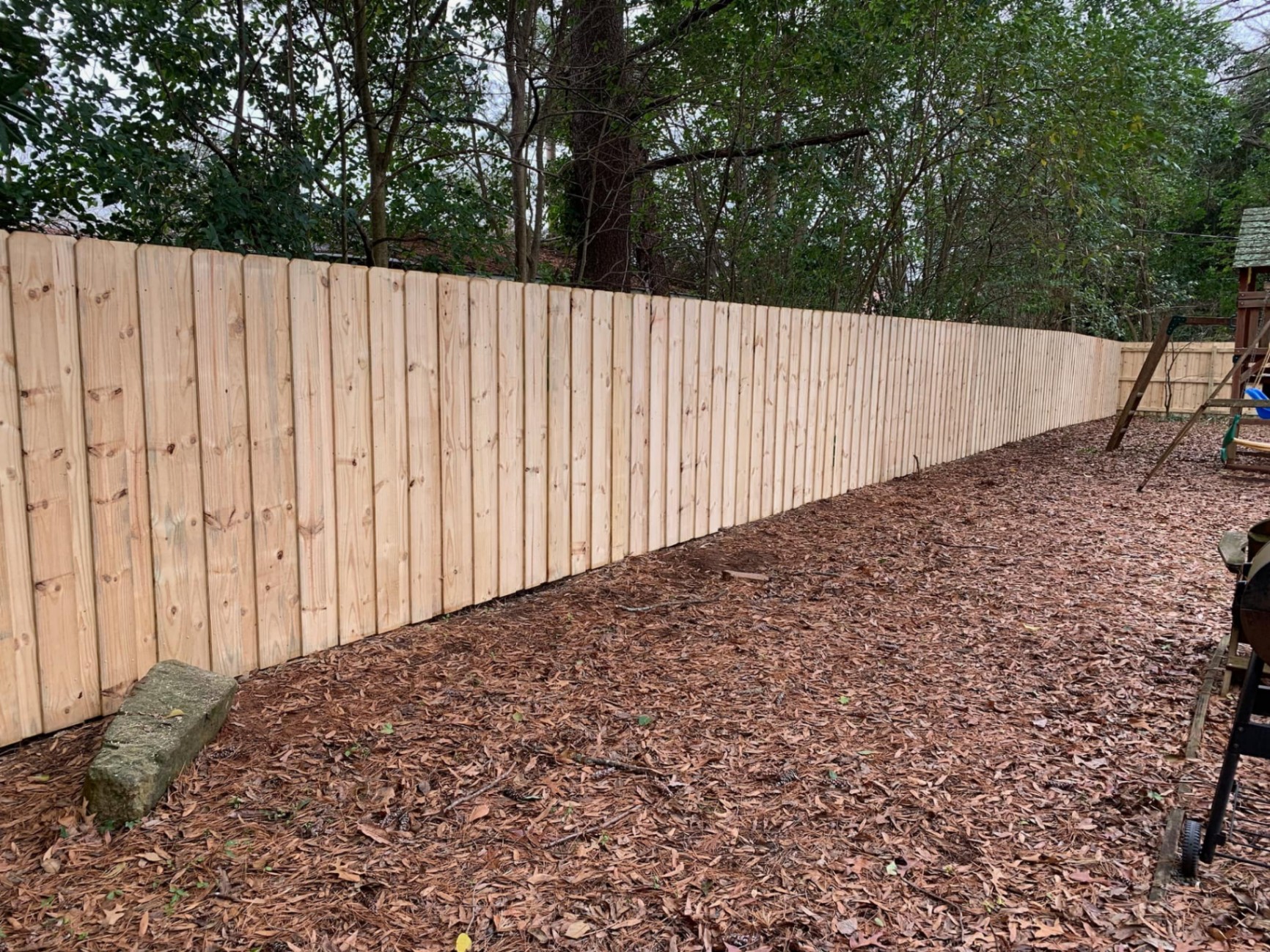
Hands-On Experience With Wood Fence Installation
We pulled a twelve-year-old cedar fence on a Roswell lot a couple of summers back where every picket had a black streak running down it from the iron nails the original crew used. The homeowner thought the fence was just weathered and called us about replacement. We pulled the fasteners, swapped them for stainless ring-shank nails, and brightened the boards with an oxalic acid wash.
The streaks lifted out and the cedar looked five years old again. The framing was sound — it was the wrong fasteners that made it look failed. That fence has another decade in it now, and the homeowner spent a fraction of a full replacement.
It is exactly why we will not put cedar up with anything but stainless, on any of our own jobs.
Craftsmanship & Quality Standards
The hard parts of a wood fence are the slow parts. Waiting overnight for the posts to cure when the crew wants to keep moving. Walking the line for plumb between every few panels when the homeowner is asking why we are taking so long.
Picking through the picket bundle for boards that will not check or split. Treating every field cut with end-cut preservative before it goes against another piece of lumber. None of those steps make a fence go up faster, and none of them pad an invoice.
They are just the difference between a fence you forget about and one that bothers you every time you walk by.
Why Homeowners Choose Our Wood Fence Installation
Stainless or galvanized fasteners only
We do not stock bright-finish or interior screws. Period.
Rail count to height
Three rails on 6-foot, four rails on 8-foot, never two rails to save lumber.
Quality lumber from local yards
We grade pickets at pickup and reject any with checks longer than 8 inches or knots loose enough to fall out.
Sample boards delivered
Cedar and pressure-treated samples brought to the estimate visit so you can see the difference under the actual light at your home.
Stain prep guide included
One-page handout on when and how to stain or seal your new fence.
How We Install Your Wood Fence Installation
- 1
Species and grade selection
Pressure-treated pine, western red cedar, or redwood, with sample boards on site.
- 2
Survey and HOA review
We work from your plat and submit any HOA architectural request.
- 3
Post setting
36 to 42 inches deep, all in concrete, line braced overnight.
- 4
Rail and picket installation
Hot-dipped or stainless fasteners, gap layout to species shrinkage.
- 5
Gate hanging and walk-through
Heavy-duty hinges, latch alignment, debris removal, warranty card delivered.
Licensing, Insurance & Credentials
All of our contractors are licensed and insured, members of the American Fence Association, and have been installing wood fence since 2020. Workmanship warranty is 2 years on every install.
Wood Fence Installation Questions, Answered
How long will a wood fence last?
A properly installed pressure-treated fence lasts 15 to 20 years. Cedar runs 18 to 25 years. Both are extended significantly by maintaining the stain or sealer every 3 to 5 years.
Should I stain my wood fence?
Yes — but wait. Pressure-treated needs 4 to 8 weeks to dry; cedar can be sealed within a week. Unsealed cedar weathers to a soft silver gray that some homeowners prefer.
Cedar vs pressure-treated — what is the price difference?
Cedar typically runs 25 to 40 percent more than pressure-treated for materials. On a 200-foot 6-foot privacy fence, that is roughly $1,200 to $1,800 in additional material cost.
Do you reuse old posts?
Almost never. Even if a post looks fine above ground, the buried portion is usually the failure point. We discuss it on a case-by-case basis but recommend new posts on a rebuild.
Will the fence darken or change color?
Yes. Pressure-treated greens fade to gray over 6 to 12 months. Cedar shifts from honey to silver over 12 to 24 months. Stain or sealer arrests both.