Here is what nobody tells you when you are shopping fence quotes in north Georgia: the fence still standing plumb at year twenty and the one leaning into your neighbor's yard by year three were usually built from the same lumber. The real difference is in the parts of the job you cannot see from the curb. The local contractors we work with handle those parts the slow way, and you will see it the day the line goes up.
We Walk Your Property Line Before We Quote a Fence
Most fence quotes around Alpharetta and Roswell are written off a satellite photo and a phone call. Ours are not. A real estimator shows up, walks the line with you, and marks the corners against your survey.
We flag the irrigation heads, note the slope, point out the trees that are going to dictate post spacing, and ask what you actually want this fence to do. That walk is where the honest number comes from. It is also where you find out fast whether the contractor in front of you knows what they are looking at.
Picking the Right Fencing Material for a Georgia Yard
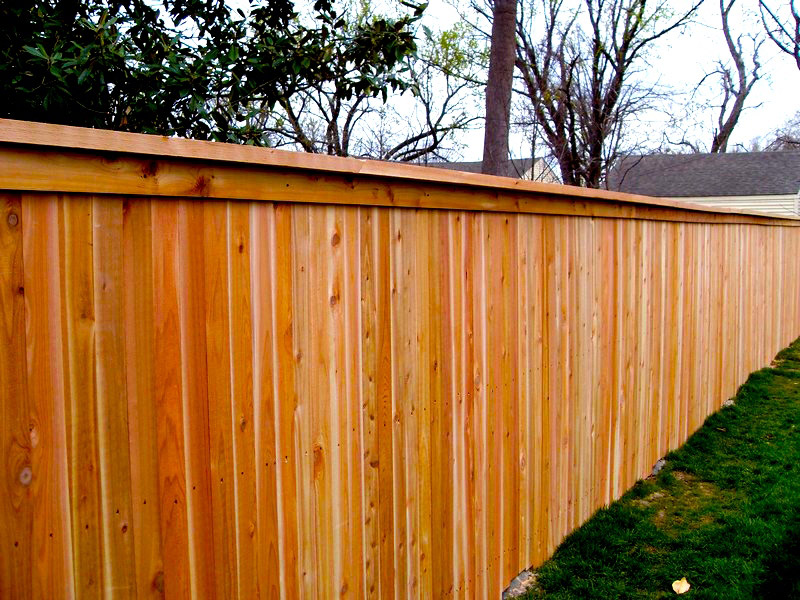
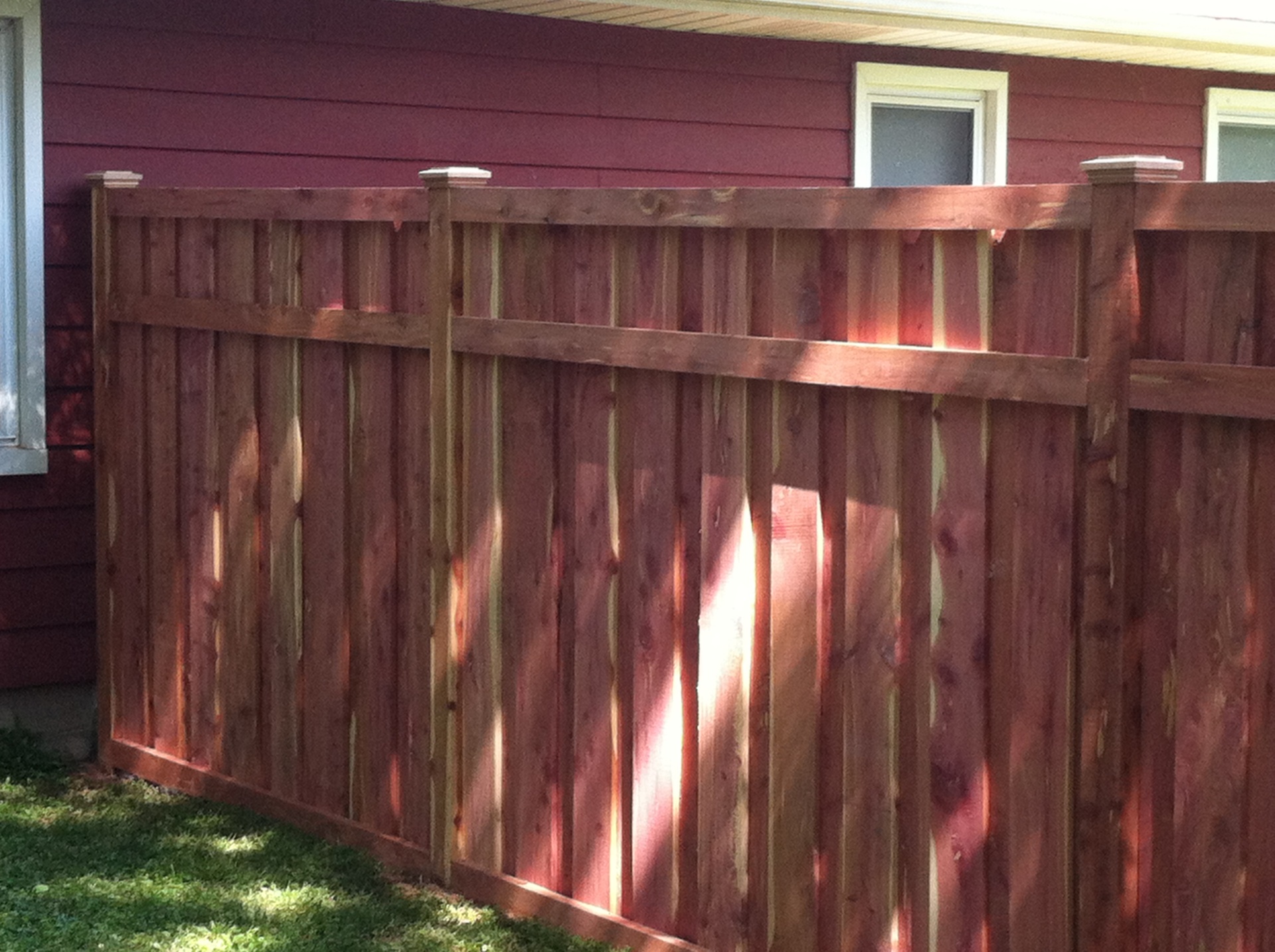
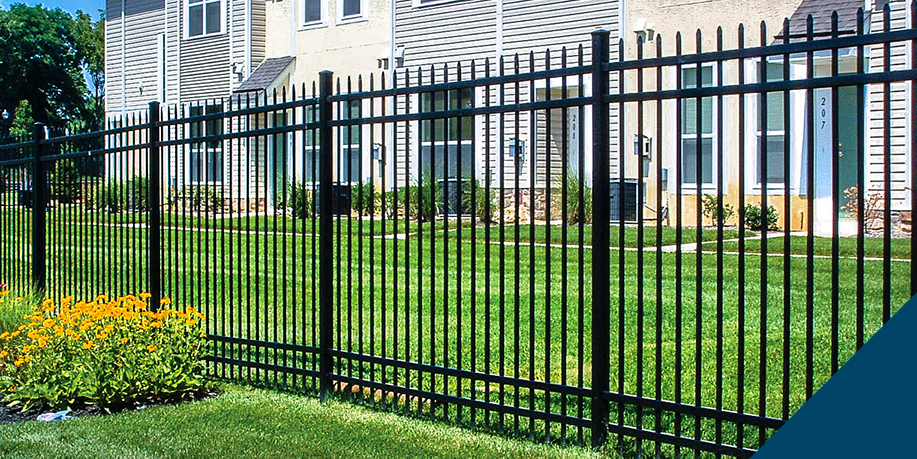
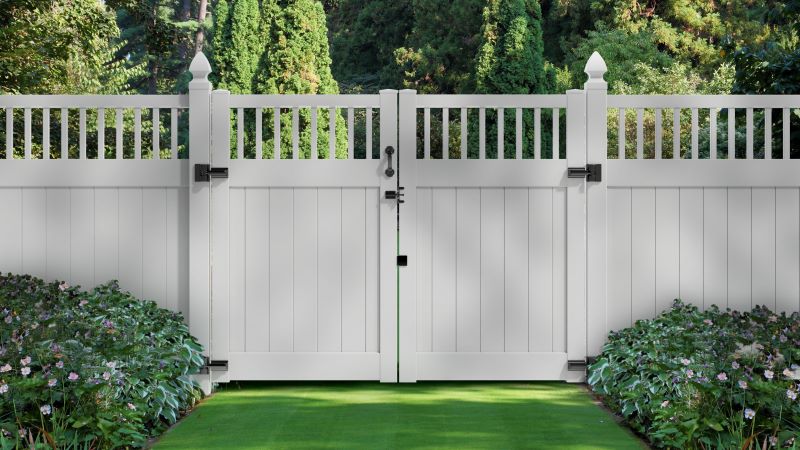
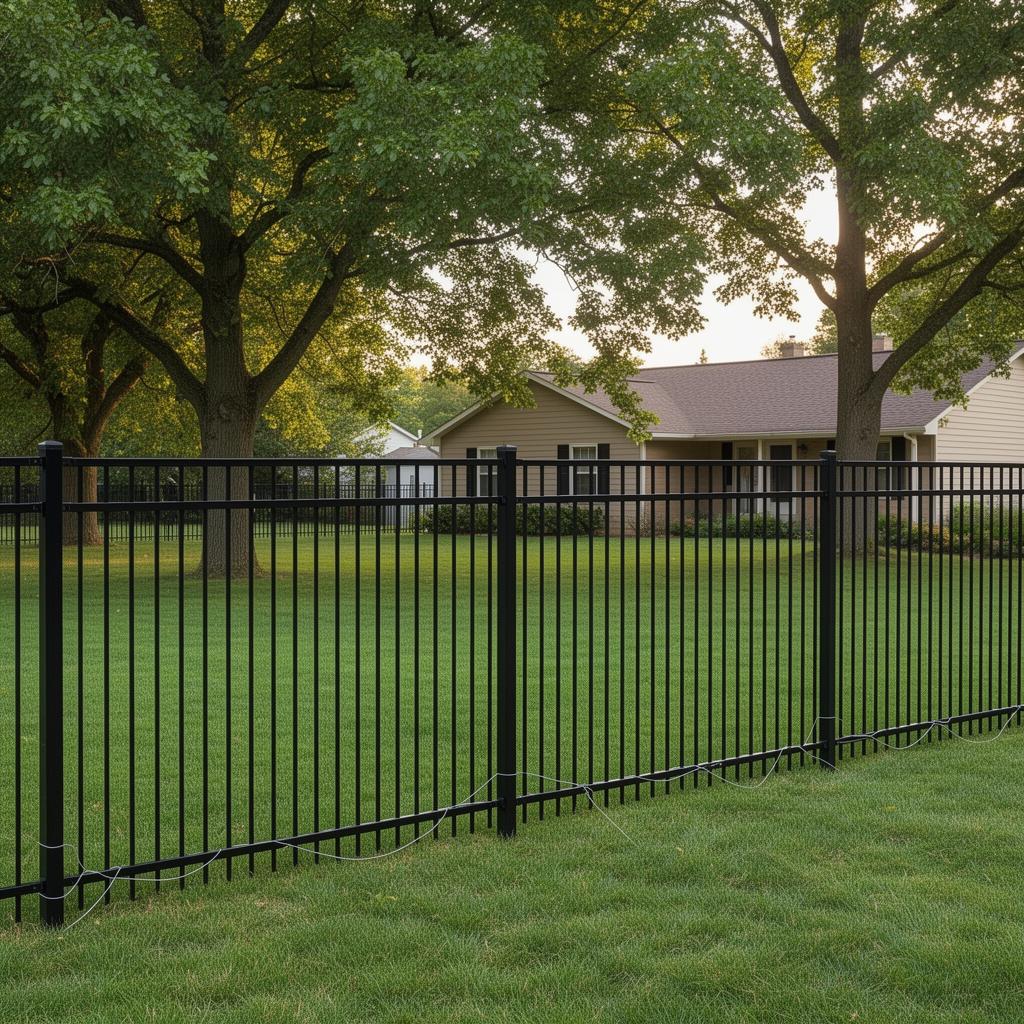
Wood is still the most common pick because it looks like the rest of the neighborhood, and our cedar and pressure-treated wood fence installation work holds up beautifully when it is built right. Vinyl fence installation is the answer if you never want to pick up a stain brush again. Aluminum fence installation is the call for sloped lots and pool code.
We bring sample boards and panels to the estimate so you are deciding in the actual light at your house, not under fluorescent showroom bulbs.
Setting Posts Deep Enough to Survive Georgia Red Clay
Posts are where almost every cheap fence eventually lets the homeowner down. Vetted contractors in our network dig every hole to depth, set every post in concrete, and walk away overnight before any picket touches it. Corners and gate posts get extra concrete, and heavy gates get a sister post for racking.
None of that is fancy — it is just the patience the budget crews are not willing to spend, and it is the single biggest reason our fences are still standing when theirs are leaning.
Hanging Pickets the Way a Homeowner Actually Sees Them
When the line is cured, the contractor we match you with hang the rails and pickets the next morning. Galvanized or stainless hardware on every install — never the bright-finish junk that streaks rust down a board by the second summer. We snap a chalk line for picket height, leave the right gap for the species so the wood does not split when it dries, and walk the run from your patio every few panels to make sure it reads straight.
A fence half an inch out of plane reads crooked from your back deck, and you should not have to live with that.
Gates That Still Swing Right After a Hundred Georgia Summers
Your gate is the part of this fence you are going to touch every single day. The contractor we match you with hang every gate on heavy-duty hinges, brace the frame so it does not rack into a parallelogram by year four, and run it through a full open-and-close before we lock the latch off. On pool fences — common on the Sandy Springs and Johns Creek estates we serve — local pros in our network test self-closure from every angle the inspector is going to test, before he ever shows up.
Recent Fence Installation Projects
Hands-On Experience With Fence Installation
We get called out to fix new fences from other contractors more than you would think. The one I think about most often was a six-foot privacy fence where eight of the eleven posts could be lifted out by hand a year after the original install — the crew had skipped concrete on the line posts to save a couple of hours. We pulled the whole run, set every post in fresh concrete with steel post-master sleeves, hung new pickets with hot-dipped galvanized ring-shank nails, and sent the homeowner on her way.
She mailed us a photo a year later, after a fifty-mile-an-hour storm rolled through, with the fence dead plumb. That kind of rebuild is exactly why concrete on every post is not a line item we will negotiate.
Craftsmanship & Quality Standards
The work we will not skip is what determines how long your fence stands. Real post depth. Concrete on every post — not gravel, not dirt-pack, not a quick squirt of foam.
Overnight cure. Galvanized or stainless hardware. A walk-around from multiple angles before we call the job done.
None of it is exotic. Most of it is the kind of patience the cheap crews are not willing to spend on a Saturday afternoon. We just refuse to leave a fence in worse shape than the one we would put up at our own house.
Why Homeowners Choose Our Fence Installation
2-year workmanship warranty
If a post a contractor in our network sets leans or a fastener backs out within 24 months, the contractor returns and fixes it at no cost to you.
Concrete on every post
Including line posts. No exceptions on privacy or 6-foot fences.
Free written estimate
On-site walk, line marking, and a written quote with material grade specified — not a verbal handshake.
HOA and permit handled
We pull the building permit when one is required and submit HOA architectural review packets on your behalf.
All of our contractors are licensed and insured
Every contractor in our network carries general liability and workers' comp on every job, with certificates available before they break ground.
How We Install Your Fence Installation
- 1
On-site walk and line marking
Contractors in our network confirm property lines against the survey, flag utility risers, and discuss style and height.
- 2
Written estimate
Material grade, post depth, hardware type, and gate count spelled out — no surprise change orders.
- 3
Permit and HOA review
Contractors in our network submit the application, schedule any required setback inspection, and respond to HOA committee questions.
- 4
Utility locate (811)
Free state-mandated utility marking, scheduled at least 3 business days before dig date.
- 5
Post setting
Holes dug to depth, posts plumbed, concrete poured, and the line left to cure overnight.
- 6
Rails, pickets, and gates
Panels installed to consistent rail heights, gates hung with self-closing hinges where required for pool code.
- 7
Walk-through and warranty
Final inspection together, warranty card delivered, and remaining materials hauled away.
Licensing, Insurance & Credentials
Alpharetta Fence Contractor matches homeowners with local fence contractors across north Atlanta. All of our contractors are licensed and insured in Georgia, carry general liability coverage, and have been installing fence since 2020. Many are members of the American Fence Association, and they pull permits in every jurisdiction that requires one — including the cities that quietly require them for any fence over 6 feet.
Fence Installation Questions, Answered
How long does a fence installation take?
Most residential installs of 150 to 300 linear feet take 2 to 3 working days, split across two visits — one to set posts and let them cure, one to hang panels and gates. Larger lots or rocky ground can extend that by a day.
Do I need a permit for a fence?
Most jurisdictions require a permit for any fence taller than 6 feet, and pool-enclosure fences always require permitted inspection. The local contractors we work with pull the permit and schedule the inspection as part of the job.
How deep should fence posts be set?
Local pros in our network set 4x4 line posts at 36 inches minimum, gate and corner posts at 42 inches, and we go deeper in soft or sandy soil. Every post is set in concrete, not gravel — gravel-only posts work loose within a few seasons in red clay.
Can you match an existing neighbor fence?
Yes. If your neighbor has a 6-foot dog-ear cedar privacy fence, we can match the picket spacing, rail height, and stain to keep the line consistent. We bring sample boards on the estimate visit.
What is your warranty?
Two years on workmanship — meaning if a post vetted contractors in our network set leans, a rail we hung sags, or a gate we hung drops, we come back and fix it at no charge. Materials carry the manufacturer warranty separately, which can run 15 to 25 years on quality vinyl and aluminum.