
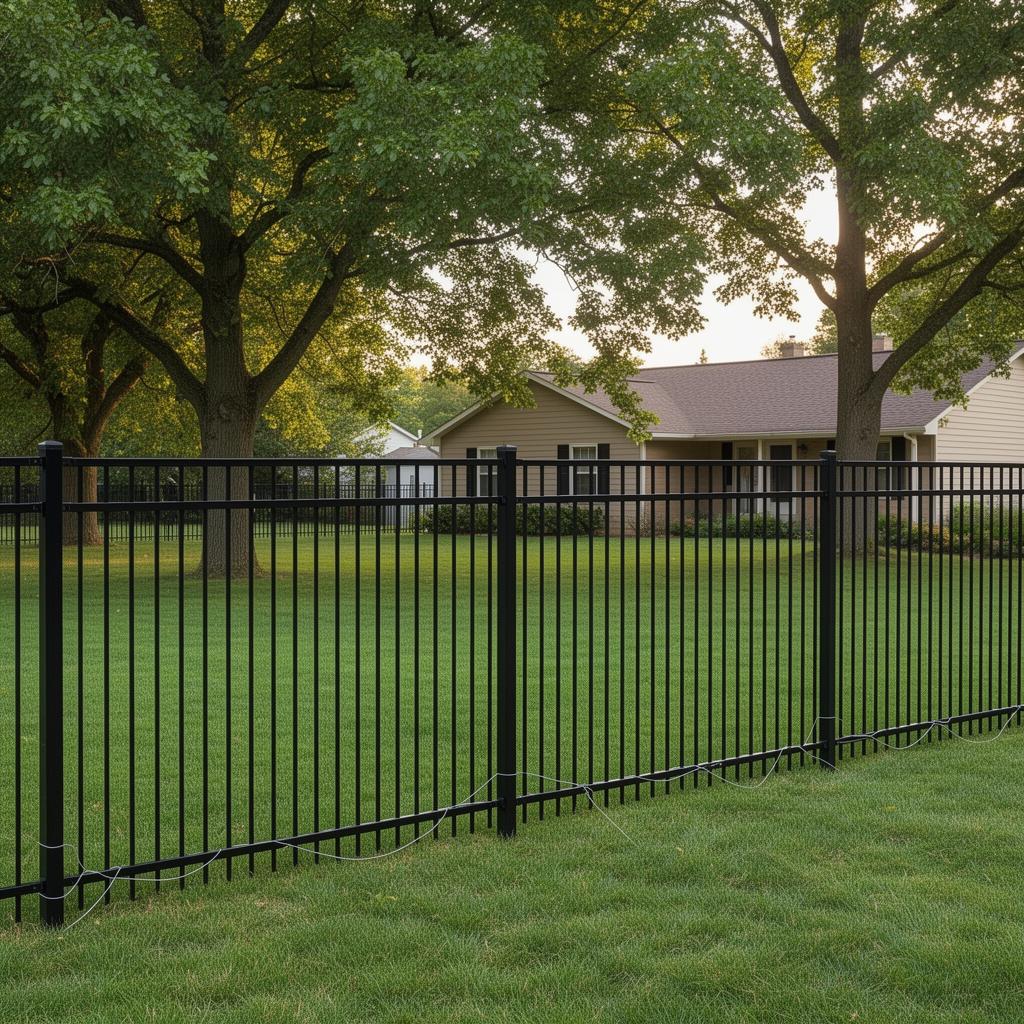
A chain link fence will only ever be as strong as the way it was set, tensioned, and finished. Most of the chain link fences we get called out to repair were not undone by the wire — they were undone by line posts driven straight into clay, fabric stretched by hand instead of pulled with a come-along, and missing tension wire along the bottom. We treat every chain link install like a small piece of structural carpentry, because that is what holds it up over the long haul.
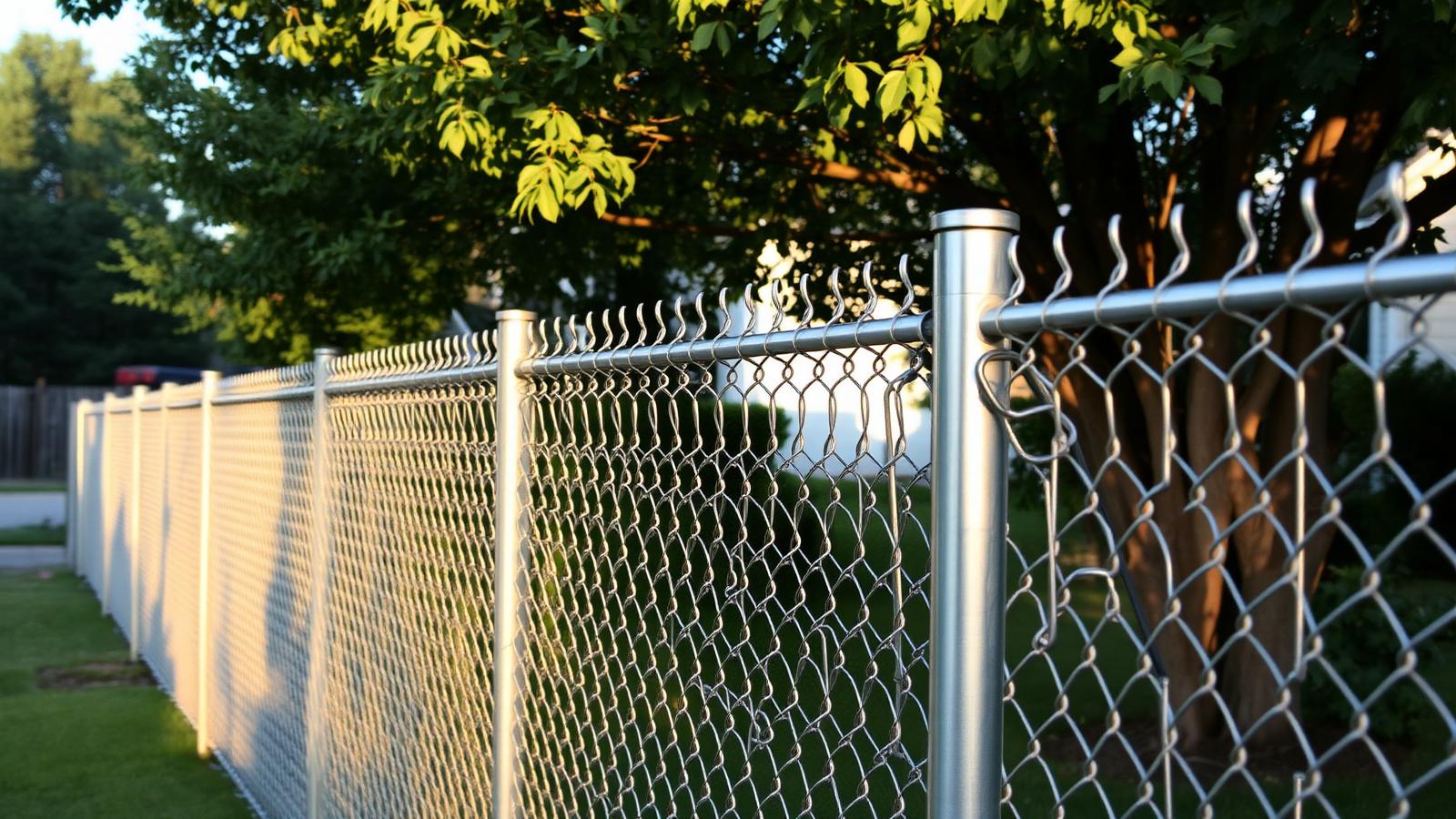
Walking the Line and Marking Every Chain Link Post
Every chain link job starts with a walk of the line and a real layout. We string the run, mark each post location with a stake, and confirm that gates land where you actually want to swing through — not where the fabric happens to terminate. Five minutes of layout up front is the difference between a fence that fits the way you use the yard and one you have to walk around for the next twenty years.
Setting Steel Chain Link Posts in Concrete, Not Clay
Posts go in next, and how the contractor we match you with set them is the difference between a fence that stays plumb and one that walks within a year. We auger every hole, set every post in concrete, and brace the run overnight so the line cures before any tension goes on it. We never drive line posts into bare ground, even when the soil seems firm.
Georgia clay holds a post for one season and then lets it walk in the next freeze cycle.
Tensioning Chain Link Fabric With a Come-Along
Tensioning the fabric is where bad chain link installs give themselves away. We pull the fabric tight with a come-along across the full run, lock it to the terminal posts with bands and a tension bar, and weave the tie wires by hand to keep the spacing even. Hand-stretched fabric sags within months.
Properly tensioned fabric stays drum-tight for the life of the fence. You can tell a real chain link install from a budget one the moment you push on the wire.
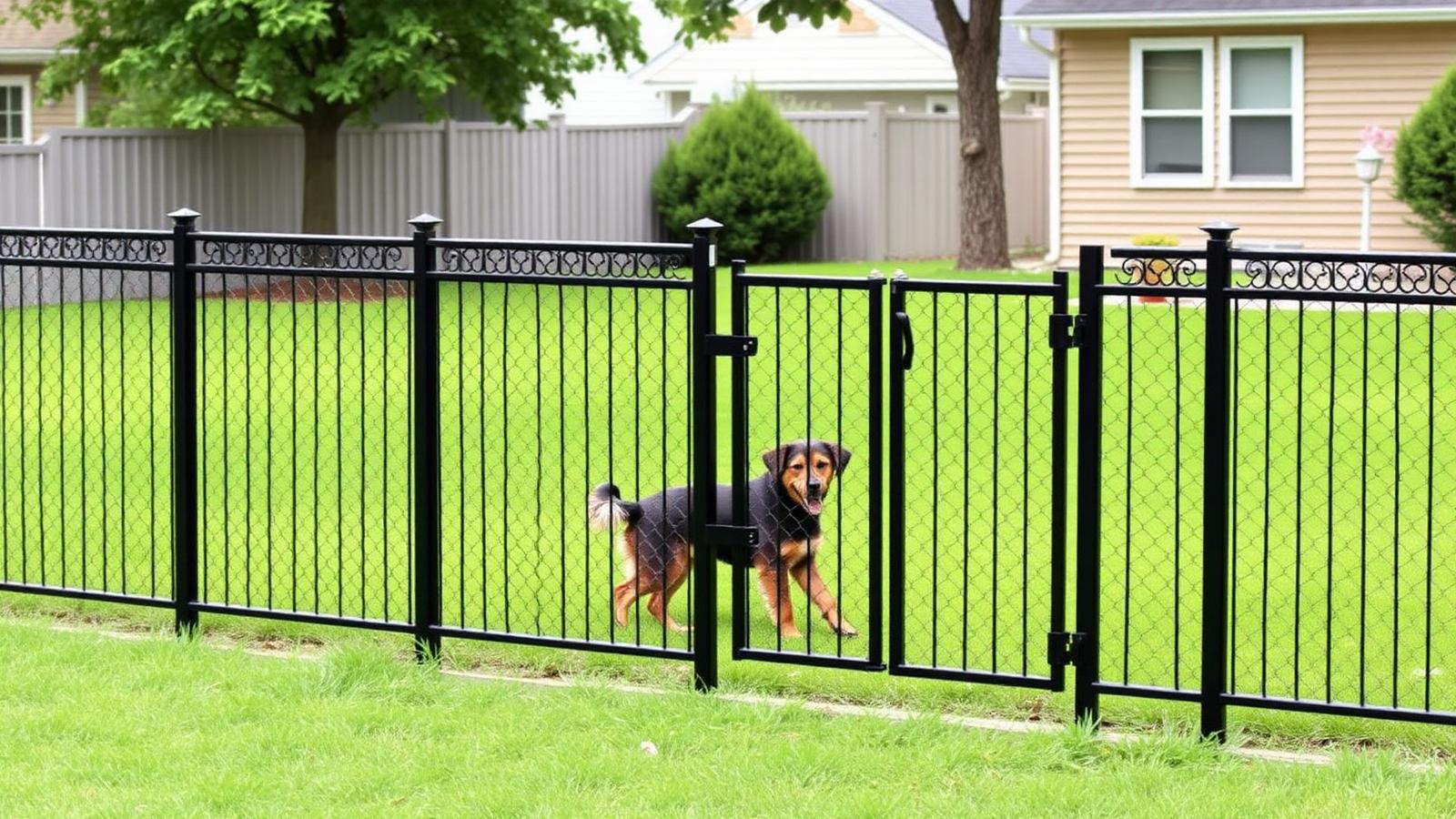
Bottom Tension Wire — The Detail That Keeps Dogs In
We finish every install with a continuous bottom tension wire woven through the fabric. That single detail keeps the bottom edge from belling out under pet pressure, kids leaning on it, or wind load over the years. It is a small line item on the invoice and one of the biggest reasons our chain link installs outlive what the budget crews put up across the street.
If the bid you are looking at does not include bottom tension wire, you are looking at a fence that will let your dog out by year two.
Chain Link Gates and Pool-Code Hardware
Gates are the last piece, and they get the same care as the rest of the run. Contractors in our network hang every chain link gate on industrial hinges with grease zerks, set the latch to your grip height, and check the swing through a full open-and-close cycle before we leave. On pool-code jobs — where many homeowners ultimately upgrade to an aluminum pool fence — self-closing hardware is tested at every angle from a few degrees open all the way to ninety, and the local contractors we work with walk the inspection with you.
Hands-On Experience With Chain Link Fence Installation
Last summer we got a call from a Johns Creek homeowner whose two large dogs had pushed under their previous installer's fence in three different places. When we walked it, the line posts had been pounded straight into clay with no concrete, the fabric was finger-loose at the bottom, and there was no tension wire anywhere on the run. We pulled the whole fence, set every post in concrete the same way we would on any new fence installation, hand-pulled the new fabric tight, and added a continuous bottom tension wire.
The dogs have not pushed under it once in two years, and the homeowner stopped paying boarding fees on the days the old fence was being patched. That kind of rebuild is a regular call for us, and it is the reason we will not bid a job that skips the bottom tension wire.
Craftsmanship & Quality Standards
The hardest part of chain link is keeping the run looking like one continuous, tight line from one terminal to the other — and that comes down to discipline at every step, not a special trick. Posts have to cure before tension goes on. Fabric has to be pulled with a tool, not by hand.
Tie wires have to be wrapped consistently so the spacing reads as deliberate. Bottom tension wire has to be woven before the fabric is locked off, not added later. We train every crew on those four habits and we do not let a chain link job leave the property until it passes a walk-through against all of them.
Why Homeowners Choose Our Chain Link Fence Installation
9-gauge upgrade available
Twice the wire strength of residential 11.5-gauge for about 20% more cost.
Black PVC coating option
Visually disappears against landscaping and resists rust at scratches.
Tension wire on every install
No exceptions — bottom rail wire is included in our base scope.
Galvanized steel posts in concrete
No wood posts on chain link, no driver-pounded line posts.
Pet and pool code options
5-foot and 6-foot heights; pool-code latch height available with self-closing hinges.
How We Install Your Chain Link Fence Installation
- 1
Gauge and coating selection
9 vs 11.5 gauge, galvanized vs black PVC.
- 2
Post setting in concrete
Terminal posts at 30 inches, line posts at 24 inches, all in concrete.
- 3
Top rail and tension bands
Galvanized top rail run continuous, tension bands on every terminal post.
- 4
Fabric tensioning and tension wire
Fabric pulled tight with a come-along; bottom tension wire installed before fabric is hog-ringed to top rail.
- 5
Gate hanging
Industrial hinges with grease zerks; latch heights set to code where pool fencing applies.
Licensing, Insurance & Credentials
All of our contractors are licensed and insured, members of the American Fence Association, and have been installing chain link since 2020 for residential, kennel, and light commercial customers.
Chain Link Fence Installation Questions, Answered
How long does chain link last?
Galvanized chain link lasts 20 to 30 years. Black PVC-coated chain link lasts 25 to 35 years and resists rust at any scratches in the coating.
Is chain link allowed in HOAs?
Many HOAs restrict front-yard chain link but allow it for rear yards behind a sight-line fence. We pull HOA architectural review for every install where the HOA requires it.
Will a dog dig under chain link?
Without bottom tension wire, yes. With tension wire — and optionally an L-foot of fabric buried 6 inches at the bottom — most dogs cannot dig out.
Can I add slats for privacy?
Yes. Vertical privacy slats slide into the fabric and provide roughly 75% visual blockage. They add about 30% to material cost and last 8 to 12 years before UV brittleness sets in.
What is the cheapest fence option?
Residential 11.5-gauge galvanized chain link at 4 feet is typically the lowest-cost permanent fence the contractor we match you with install. We can quote it, but we always recommend at least 9-gauge with bottom tension wire for properties with pets.