
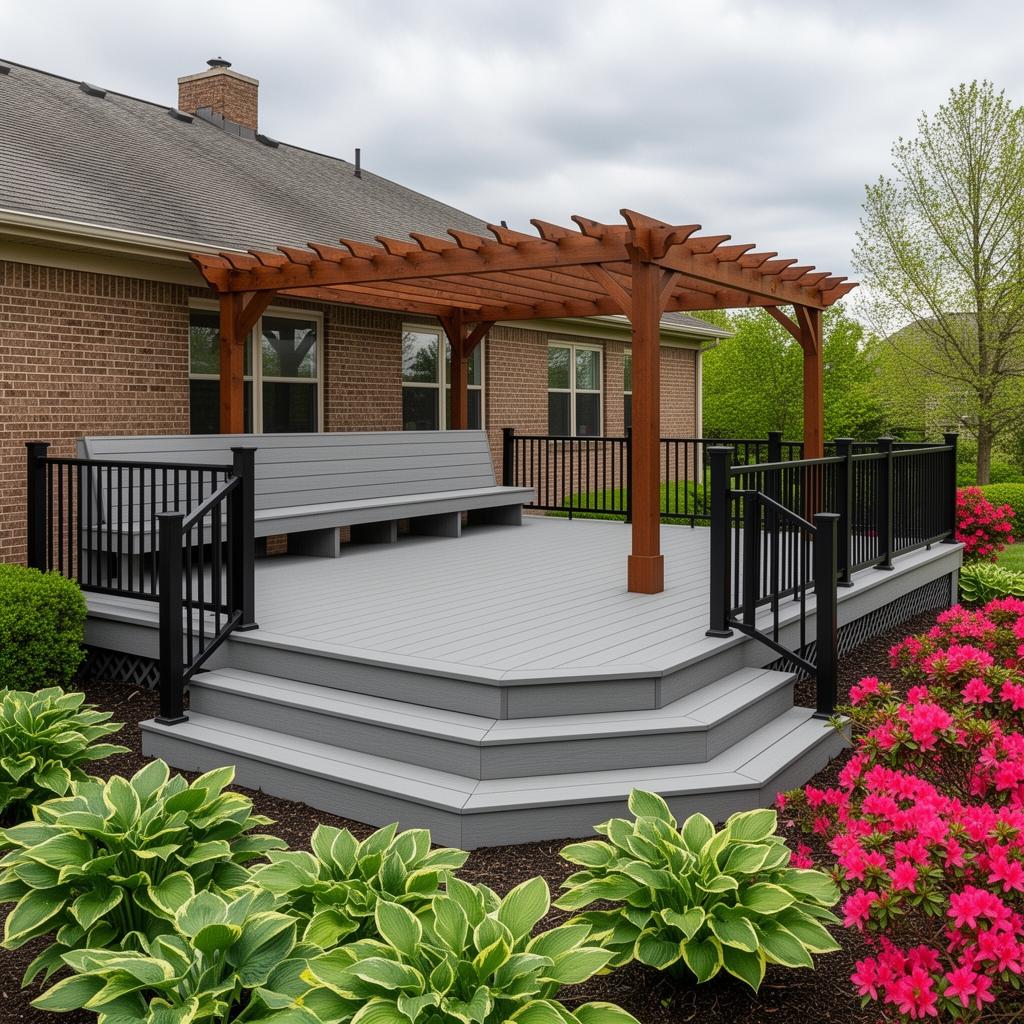
Deck replacement is more involved than fence replacement because the existing deck is structural and often attached to the house. Tear-out exposes ledger flashing, footing condition, and house-side rot — and almost every replacement we do uncovers at least one structural surprise. A clean replacement means budgeting time for the unknowns rather than pretending they will not happen.
We tell you up front what we expect to find, and we have the lumber on the truck to fix it the same day if we do.
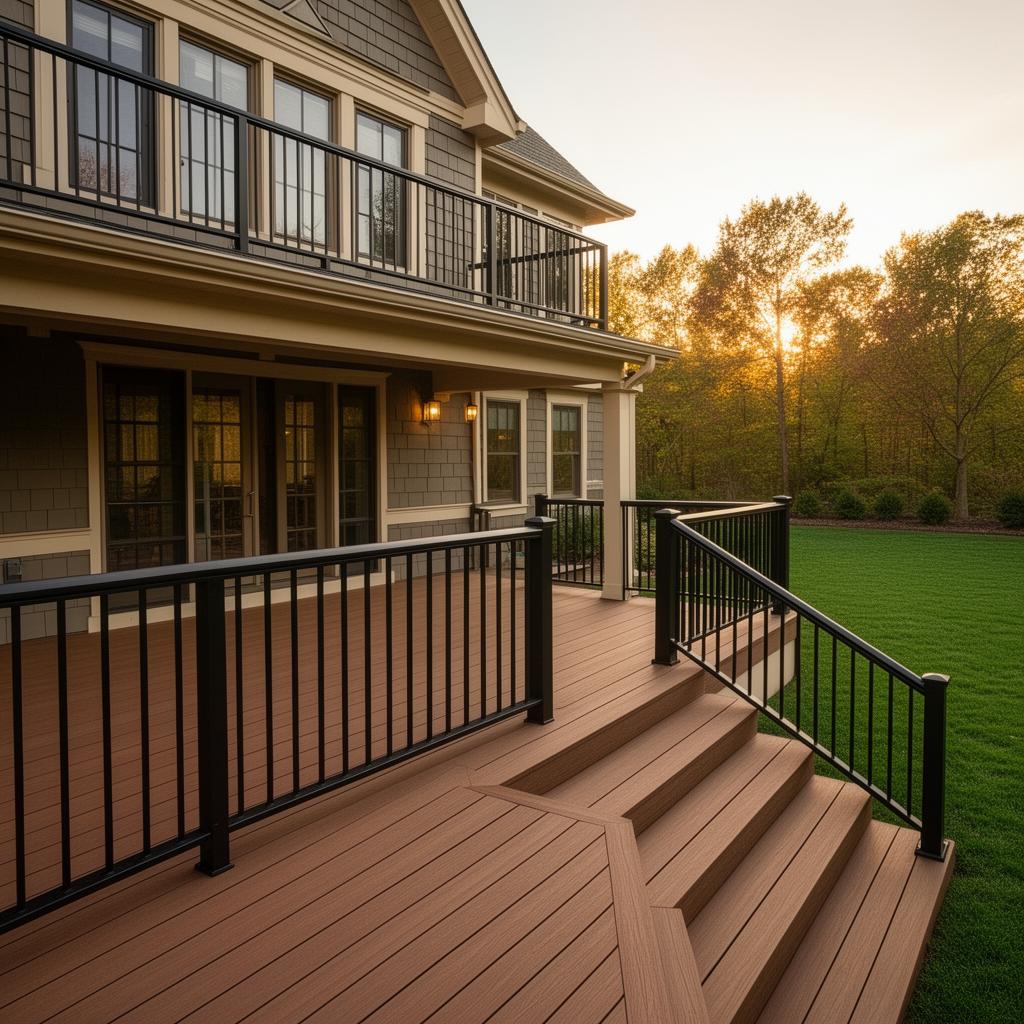
Tearing Out and Inspecting What Is Underneath
We start every replacement with a structural assessment of what is being torn out. Old footings that are still sound can sometimes be reused — rare, usually about thirty percent of the time, depending on age and concrete condition. Old ledgers attached without flashing on the 1980s-and-1990s decks we tear out across Dunwoody and Johns Creek have almost always rotted the rim joist behind them, and that rot has to be addressed before anything is reattached.
Old framing dimensions may not meet current code for joist span or hanger requirements, especially on decks built before the 2009 IRC update.
House-Side Rot Behind a Bad Old Ledger
House-side rot is the most common surprise. A 1990s-era deck with no z-flashing on the ledger has been catching water at the ledger-to-rim-joist seam for thirty years. By the time we pull the ledger, the rim joist is often soft for six to twelve inches above and below the ledger line, and the rot can extend into the band joist and even into the wall framing behind it.
The local contractors we work with carry repair lumber and structural connectors on every replacement job specifically for this scenario, so you do not get a call mid-job that the cost just doubled.
Bringing Your Old Deck Up to Current Code
Replacement is the right time to upgrade specs — many homeowners use the rebuild to step from pressure-treated up to a composite deck or a higher-grade wood deck. Most old decks were built to the code of their era and no longer meet current requirements for railing height, baluster spacing, stair geometry, or live-load rating. We bring everything up to current IRC and pull a permit on every replacement.
The cost premium for current-code rebuild over a like-for-like rebuild is small (five to ten percent) and the safety improvement is significant — especially if you have kids or grandkids on the deck.
Hauling Off Every Splinter and Footing
Disposal is included. Old decking, joists, and framing lumber are hauled to the C&D landfill. Old concrete footings, where pulled, are also disposed.
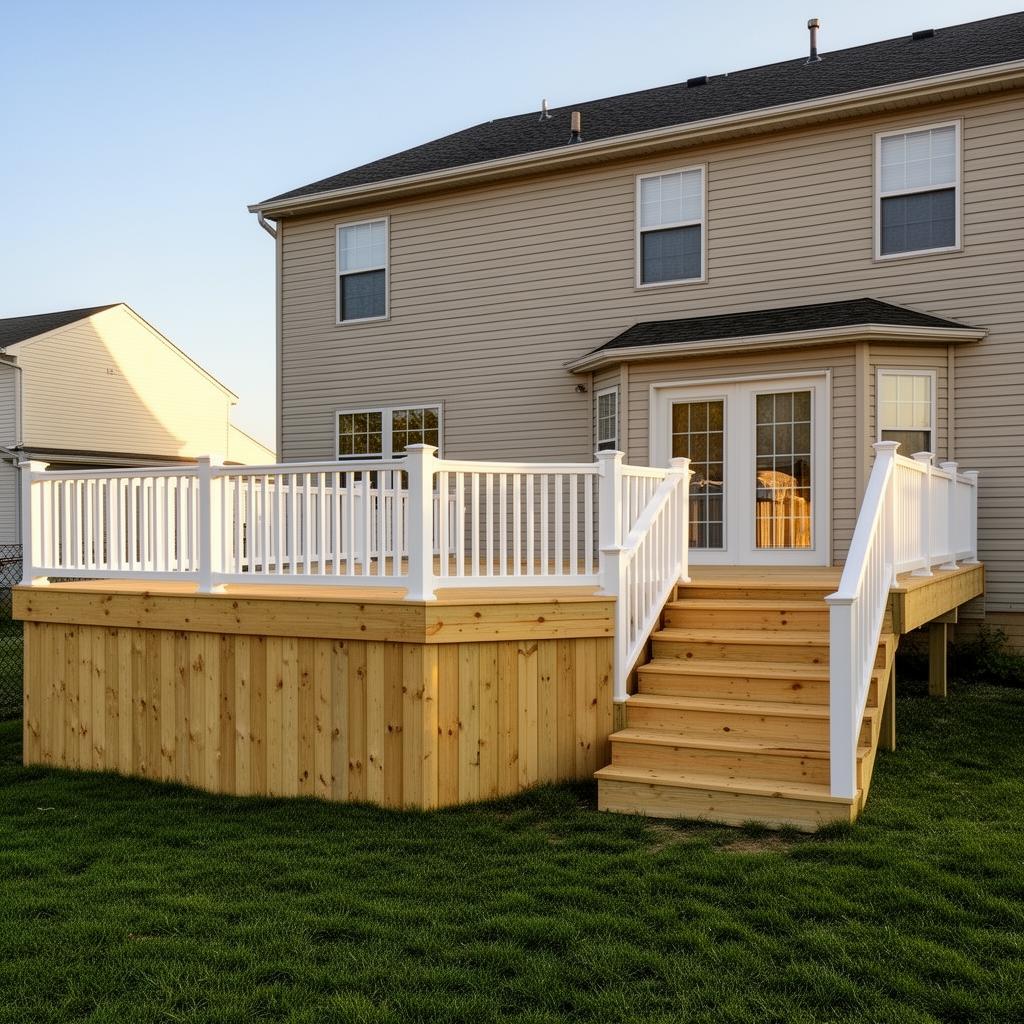
We do not stack tear-out lumber behind the garage for you to deal with later. The deck comes off, the new one goes up to the same standard as our new deck installations, and the only thing left in your yard is a finished build.
Recent Deck Replacement Projects
Hands-On Experience With Deck Replacement
A contractor in our network replaced a 14x20 deck on a Roswell property in 2024 that had been built in 1996 with no ledger flashing. When we pulled the ledger, the rim joist was soft for eight feet of its length and the rot extended into the OSB sheathing behind it. We exposed the wall, replaced twelve feet of rim joist and sheathing, installed proper z-flashing, and reattached a new ledger with structural screws.
The repair added about $1,800 to the original quote — and almost certainly prevented a wall-framing rot that would have been a much larger problem in another five years. The homeowner thanked us for catching it.
Craftsmanship & Quality Standards
Z-flashing is a Z-profile metal flashing piece installed at the top of the ledger before the deck framing is attached. The vertical leg goes behind the ledger; the horizontal leg goes on top of the ledger and tucks under the house siding. It diverts water that runs down the siding away from the ledger-to-rim-joist gap.
It is the single most important detail on any house-attached deck. Decks built without it will rot the rim joist within ten to fifteen years, and the homeowner often does not know until the deck is being torn out for an unrelated reason.
Why Homeowners Choose Our Deck Replacement
Removal and disposal included
Old deck hauled, footings pulled or evaluated, no debris left behind.
Structural surprise allowance
Quote includes a contingency for typical hidden rot at the ledger.
Code upgrades on every rebuild
Railing height, baluster spacing, stair geometry brought to current IRC.
Permitted and inspected
Building permit pulled, framing and final inspections walked.
2-year workmanship warranty
Same warranty standards as new construction.
How We Install Your Deck Replacement
- 1
Tear-out and inspection
Old deck removed, footings and ledger area exposed for inspection.
- 2
Structural repair if needed
Rim joist, sheathing, or wall framing repair where rot is found.
- 3
Footings
New footings poured where existing footings cannot be reused.
- 4
Framing and ledger
New ledger flashed and structural-screwed; framing to current code.
- 5
Decking, railings, stairs
Material to spec; surface options sampled if homeowner is changing material.
Licensing, Insurance & Credentials
All of our contractors are licensed and insured, NADRA members, and have been replacing decks since 2020 with structural repair handled in-house when discovered.
Deck Replacement Questions, Answered
Will my old footings work?
Sometimes — about 30% of the time depending on concrete condition and depth. Local pros in our network dig and inspect each one before we commit to reusing or replacing.
What if you find rot when you tear it out?
Vetted contractors in our network carry repair lumber on every replacement and address it as part of the job. Cost varies with extent — local pros in our network walk you through it before committing to repair scope.
How much more does replacement cost vs a new deck?
About 15 to 25 percent more, depending on tear-out complexity and any structural repair found.
Can I change material on the replacement?
Yes — replacement is the right time to move from pressure-treated to cedar or composite if the budget supports it.
How long does a replacement take?
10 to 15 working days for a typical residential rebuild, plus footing cure time. Larger or multi-level decks run longer.