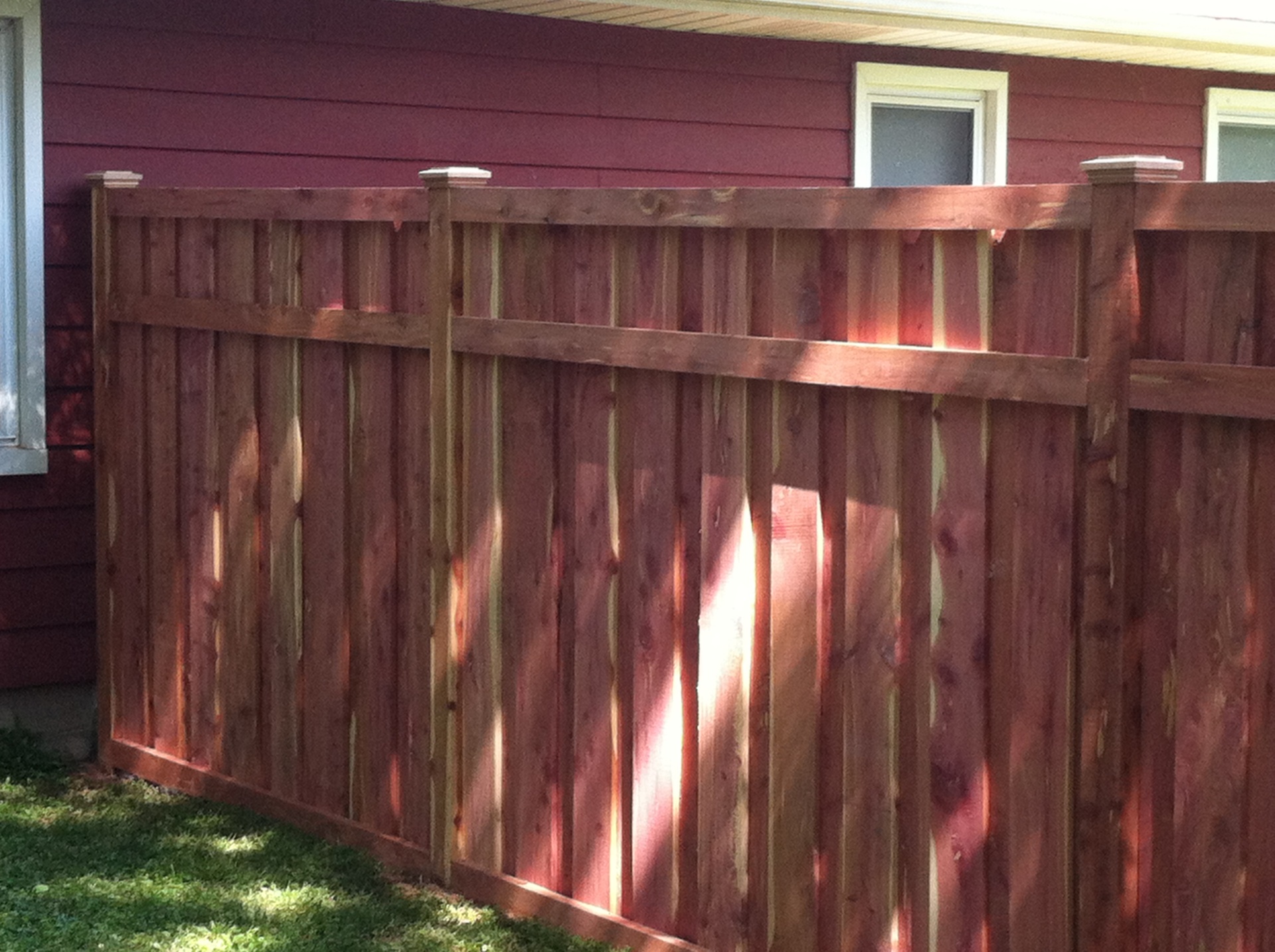
A privacy fence is the only fence you actually look at the back of every day, from your own kitchen window. That single fact changes everything about how it should be built. Picket spacing, rail layout, post visibility, whether to spec board-on-board with a top cap or live with a single-side dog-ear — none of that is a small decision when you are the one staring at the line every morning over your coffee.
What a Real Backyard Privacy Fence Should Look Like
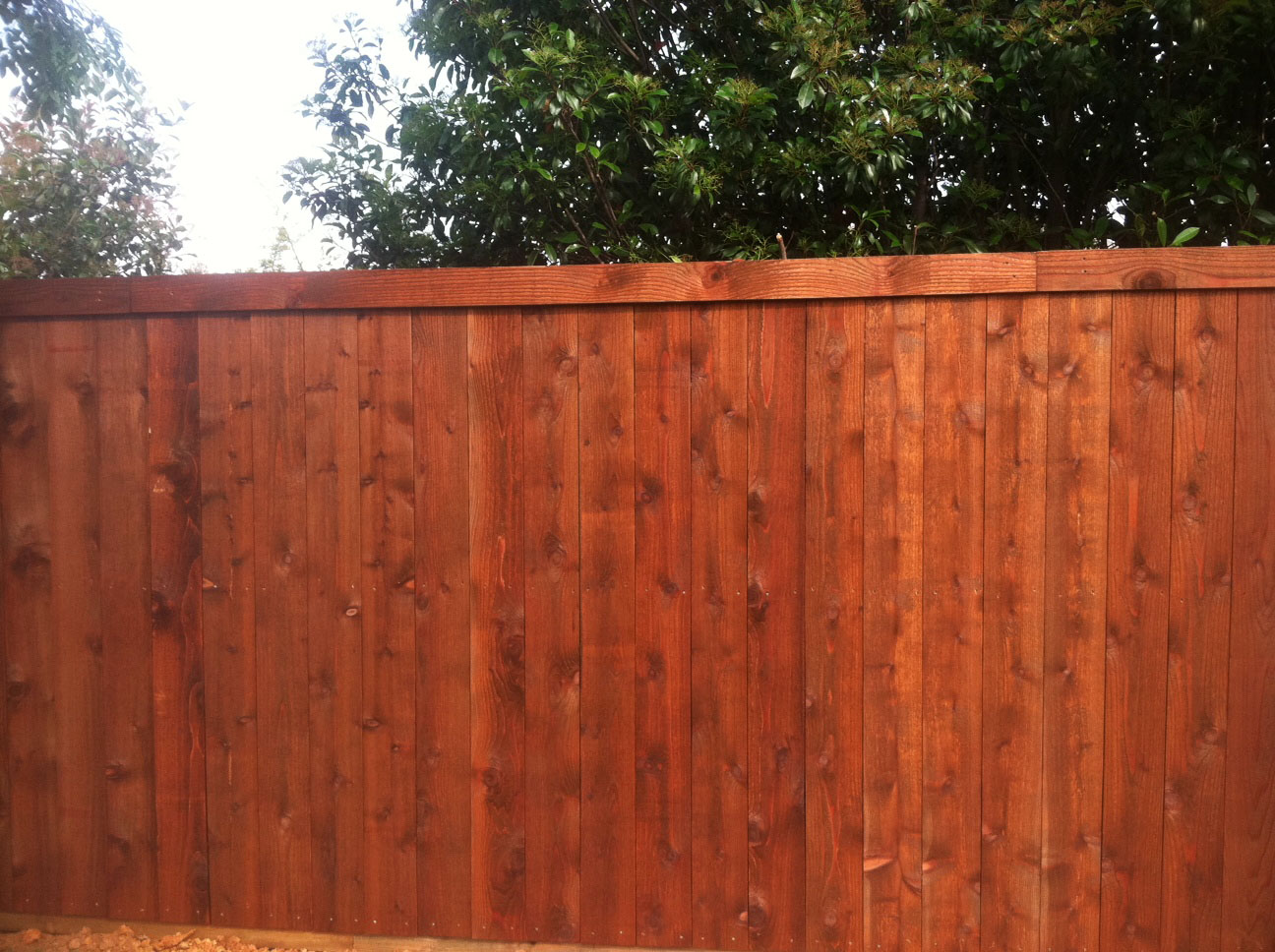
The cookie-cutter privacy fence is six feet tall, dog-ear pickets, three rails, posts on eight-foot centers. That spec is what every production builder slaps in, and it is fine — until the boards dry out, gap up, and your neighbor can read your magazine through the fence by year two. We talk through whether tighter spacing, board-on-board layering, or a 1x6 top cap is worth the extra material cost for the way you actually want to use the yard.
Spend the money once, see it pay you back every summer.
Cedar vs Pressure-Treated for Backyard Privacy
Cedar is the upgrade everybody is told to want, and for good reason — it moves less, weathers more evenly in Georgia humidity, and lasts the longest of the wood options. Pressure-treated is the workhorse — about thirty percent cheaper up front and still a solid fifteen to twenty years if you stain it. Both are honest answers.
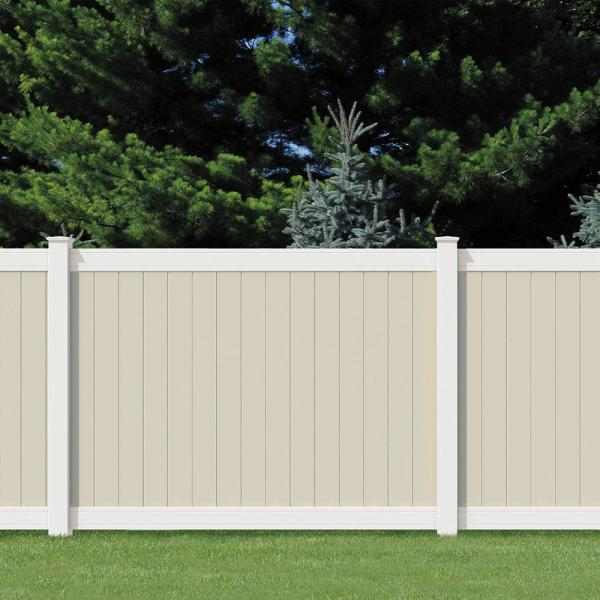
We bring sample boards from both to the estimate — whether the project is a wood privacy fence or a low-maintenance vinyl privacy fence — so you can hold them up against your house and your neighbor's run before you commit.
Board-on-Board, Shadowbox, or Dog-Ear Privacy Layouts
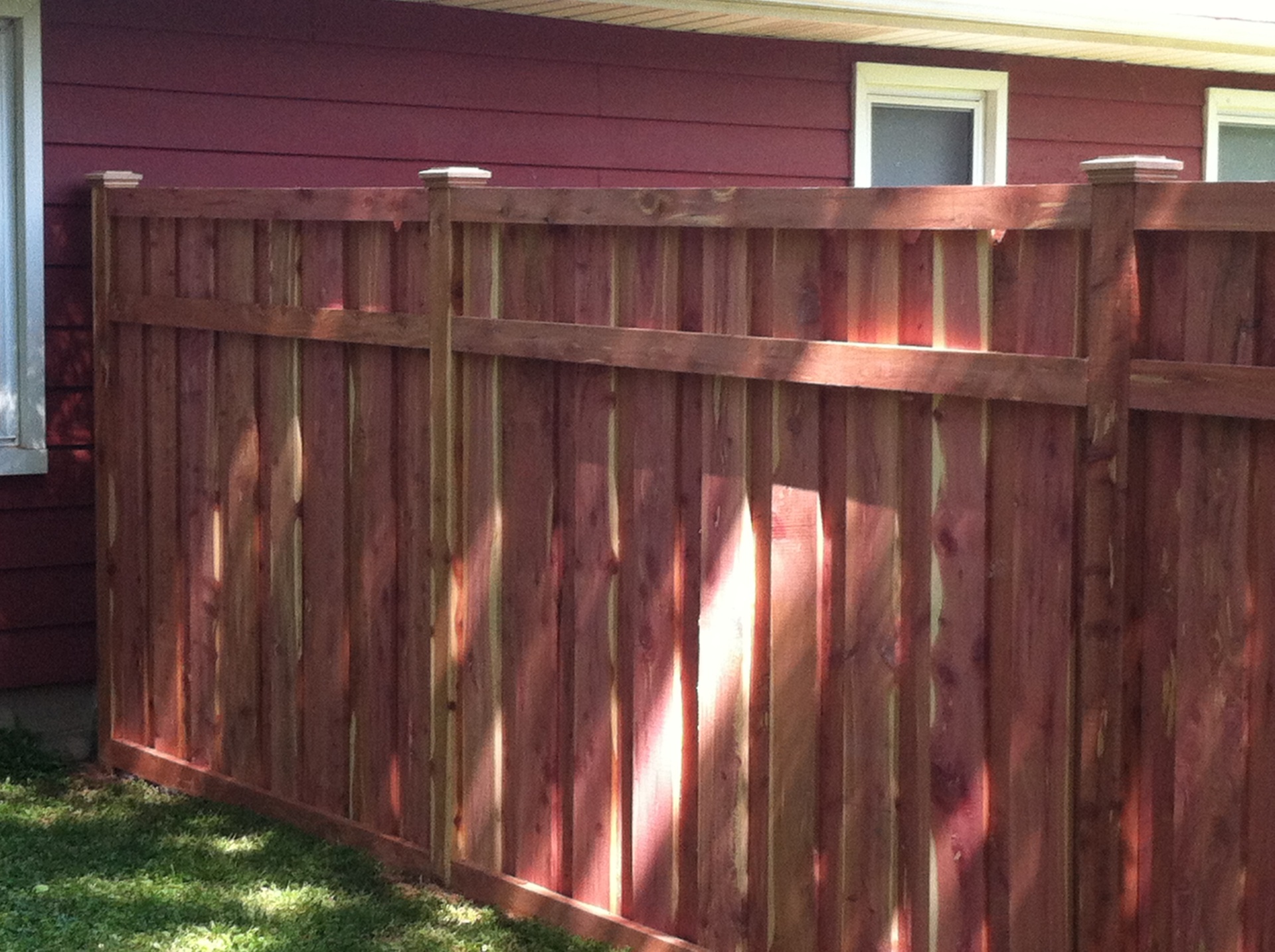
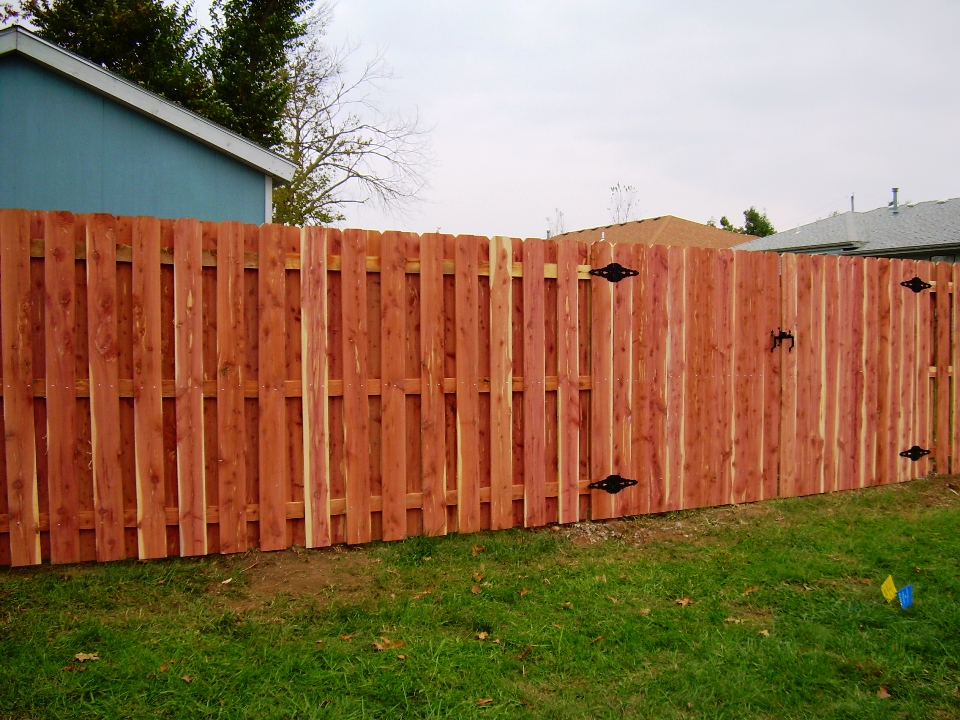
The layout style is what your fence will actually look like in three years, after the wood has done what wood does. Board-on-board uses a back-layer picket behind every gap, so when the front layer shrinks, the gap is still solid. Shadowbox alternates pickets front-and-back so the fence looks finished from both sides — a nice touch on the property-line side facing your neighbor.
Dog-ear is the simplest and cheapest, and it can absolutely look great when it is built tight.
Setting Posts on Eight-Foot Centers, in Concrete, Overnight
On a typical six-foot privacy fence local pros in our network install across Alpharetta, post spacing should be eight feet on center — never nine to save lumber, never seven because the crew miscounted. On an eight-foot privacy fence, vetted contractors in our network tighten that to six-foot centers because the wind load doubles. Every post goes into concrete, every line cures overnight, and we do not hang a single picket until the next morning.
Skip the cure and the first windstorm is already winning.
Gates That Match the Fence and Still Swing Right
A privacy fence gate is the moment of truth — it carries more weight than a yard gate, gets pulled and slammed twice a day, and racks fast if it is not braced and hung right. The contractor we match you with use heavy-duty self-closing hinges on every privacy gate, brace the frame diagonally inside the picket layout, and walk it through a full swing before you ever touch the latch. Pool gates — a regular request on our Johns Creek and Milton installs — get D&D MagnaLatch gate hardware tested at every angle.
Recent Privacy Fence Installation Projects
Hands-On Experience With Privacy Fence Installation
Last summer a homeowner called us because her year-old privacy fence already had visible daylight between every picket. The original installer had hung tight pressure-treated lumber straight off the truck — green, wet, the way it comes out of the kiln — and pretended that was a finished job. By July, the boards had dried out and shrunk a quarter inch each.
We came back, retrofitted a back-layer board-on-board behind the existing run, and the fence reads completely solid now. Same posts. Same rails.
The thirty minutes the first crew should have spent talking to her about lumber moisture would have saved her the second invoice.
Craftsmanship & Quality Standards
Pressure-treated lumber comes off the truck soaked with treatment chemicals, and it shrinks dramatically as it dries through the first Georgia summer. If the pickets get hung tight, you end up with gaps you can see your neighbor through. If they get hung with the right gap or with a back layer, the fence stays solid.
Cedar moves less, but it still moves. The crew on the line has to know the difference between hanging dry cedar and hanging green pressure-treated. We do, and contractors in our network install accordingly.
Why Homeowners Choose Our Privacy Fence Installation
Solid sightline guarantee
Board-on-board installs are warranted to remain visually solid through the first 12-month shrinkage cycle.
Cedar or pressure-treated options
Both grades stocked, with sample boards delivered on the estimate visit.
6-foot or 8-foot heights
We pull the engineered permit for 8-foot fences when required by the jurisdiction.
Top cap and trim available
Adds 18% to material cost, roughly doubles visual life of the fence.
Pet-safe bottom rail option
Treated 2x6 kickboard along the bottom keeps small dogs in and prevents picket rot from ground contact.
How We Install Your Privacy Fence Installation
- 1
Style and material selection
Dog-ear vs flat-top, single-side vs board-on-board, cedar vs pressure-treated.
- 2
Property line confirmation
We work from the survey or plat — never from the assumed line.
- 3
Post layout and depth
8-foot centers for 6-foot fences, 6-foot centers for 8-foot fences, all set in concrete.
- 4
Picket layout for shrinkage
1/8-inch gap on pressure-treated, tight on cedar with back-layer overlap.
- 5
Gate placement
Self-closing hinges on pool-side gates, double drive gates with cane bolt drops where access is needed.
Licensing, Insurance & Credentials
Privacy fence is the most common service the local contractors we work with install — easily 60% of annual installs across our network. All of our contractors are licensed and insured, carry general liability coverage on every job, and have been installing residential fence since 2020.
Privacy Fence Installation Questions, Answered
How tall can my privacy fence be?
By right, 6 feet in most rear-yard zoning. Some jurisdictions allow 8 feet with a permit, and a few HOA-controlled neighborhoods cap at 6 feet regardless. Contractors in our network confirm before we quote.
Cedar or pressure-treated — which is better for privacy?
Cedar moves less, weathers more evenly, and lasts 18 to 25 years above ground. Pressure-treated is 30% cheaper up front and lasts 15 to 20 years if maintained. Both are valid — the choice usually comes down to budget and stain plans.
Will I see gaps in my pickets after the fence dries?
On standard single-side pressure-treated, yes — usually 1/8 to 1/4 inch per picket. Cedar gaps less. Board-on-board prevents visible gaps regardless of shrinkage.
Can the fence be solid on both sides?
Yes. Board-on-board, shadowbox, and tongue-and-groove vinyl all give a finished look on both sides. Cap-and-trim adds the cleanest top edge.
How long before I can stain a new wood fence?
Pressure-treated needs 4 to 8 weeks to dry. Cedar can be sealed within a week. We hand off a stain prep guide on every job.