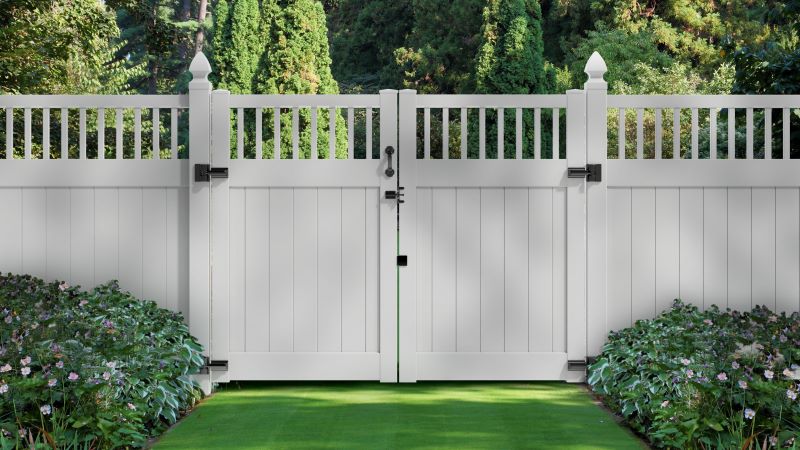
Vinyl fence has a reputation as the easy, low-maintenance option, and on a properly installed run it really is — wash it once a year with a garden hose and walk away for two decades. The catch is that vinyl is unforgiving of sloppy installation. Skip a step on the post stiffeners, butt the panels too tight against the posts, or rush the concrete cure, and you end up with rails that crack at the connectors and panels that sag between gates within a few seasons.
The way vetted contractors in our network install vinyl is built around protecting you from those failure modes — not just selling you the panels.
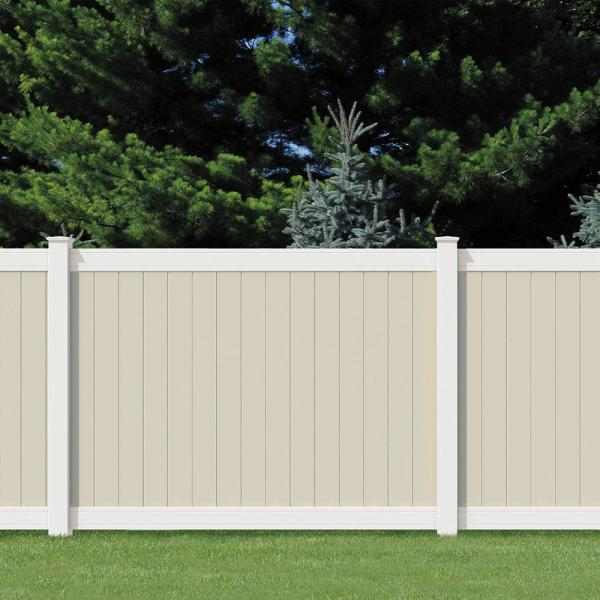
Real Layout Before a Single Vinyl Post Goes In
We start every vinyl install the same way we start a wood install: with a real layout. Vinyl posts come in fixed lengths, panels are pre-cut to a fixed dimension, and the post spacing has to be exact or we end up notching panels in the field — which looks bad and weakens the run. We mark every post location with a stake, confirm gate openings with you in person, and only then start digging.
It takes an extra hour and saves a lifetime of looking at a hack-job notched panel.
Stiffening Vinyl Posts So They Carry the Panels
Stiffening the posts is the first detail that separates our vinyl installs from a budget job. Hollow vinyl posts on their own do not have the rigidity to hold a six-foot privacy panel through a real Georgia thunderstorm. We sleeve every gate post and every corner with a steel or wood insert before contractors in our network pour concrete, and on taller fences we sleeve the line posts as well.
That step adds an hour to the job and easily a decade to the life of the fence. The cheap installers skip it because you cannot see it.
Concrete and Overnight Cure on Every Vinyl Post
Concrete and cure time matter more on vinyl than on almost any other material. Vetted contractors in our network pour every post in concrete, brace the run, and walk away overnight. We do not hang a single panel until the posts have cured.
Crews that pour and hang panels in the same day are the reason homeowners across Cumming and Milton end up calling us for fence replacement — the posts shifted under the weight before the concrete ever set up. There is no fix for that later. The line just gets worse.
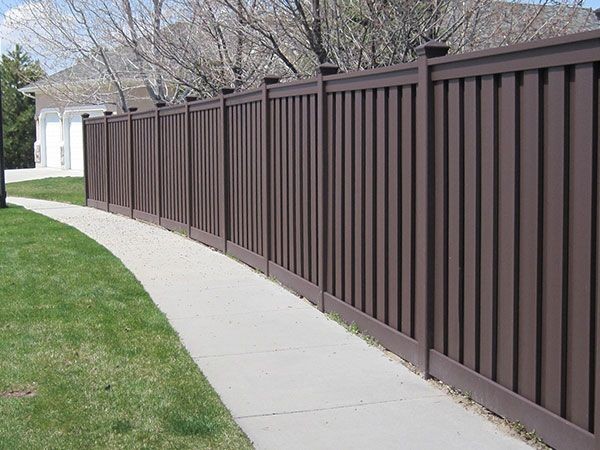
Hanging Vinyl Panels With Real Expansion Gaps
Hanging the panels is where the install comes together, and where most of our care goes. We leave a deliberate expansion gap at every panel-to-post connection so the vinyl can move with the seasons without cracking the rails. Georgia goes from twenty degrees in February to a hundred in July, and vinyl expands and contracts with that swing.
Crews that butt panels tight against posts get cracks at the rail connectors by year three. Crews that leave the gap do not.
Vinyl Gate Hardware and Manufacturer Warranty Registration
Gate hardware is what you notice every time you open the gate. Heavy-duty hinges with proper torque, latches that close cleanly without slamming, and on pool jobs — where many homeowners pair vinyl with a code-rated aluminum pool fence — self-closing hardware that contractors in our network test from every angle. We register the manufacturer warranty in your name before we leave the driveway, hand off the paperwork, and you get a card in the mail a few weeks later with the coverage in writing.
Recent Vinyl Fence Installation Projects
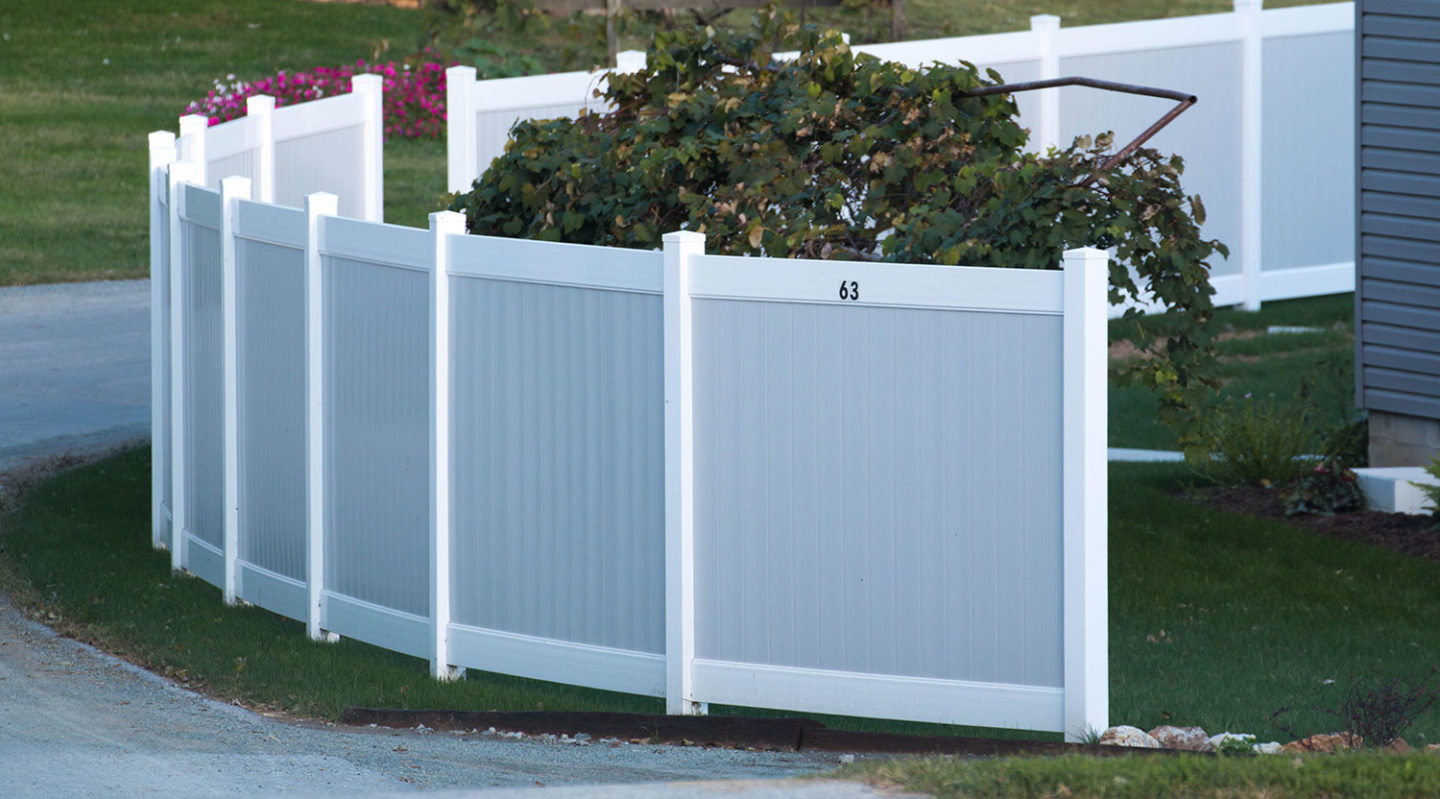
Hands-On Experience With Vinyl Fence Installation
A contractor in our network rebuilt a privacy fence around a pool in 2022 after the original installer had skipped post stiffeners and butted the panels tight against the posts with no expansion gap. Within two seasons, the homeowner had eleven cracked rails and a fence that leaned in the wind. We pulled the run, sleeved every post with a steel insert, poured fresh concrete, gave it an overnight cure, and re-hung new panels with proper expansion gaps.
Three years and two ice storms later, that fence has not had a single rail crack. The original install cost the homeowner less up front and far more by the time it failed.
Craftsmanship & Quality Standards
Most of what makes vinyl last is patience during the install. The crew has to be willing to dig and pour on day one, walk away overnight, and come back the next day to hang panels. They have to leave proper gaps even when the homeowner is watching and asking why the fence is not tight.
They have to use real hardware on the gates instead of whatever was bundled with the kit. None of those steps are exotic. They just take time, and they are the steps the cheap bids skip.
The local contractors we work with build them into the schedule on every vinyl job.
Why Homeowners Choose Our Vinyl Fence Installation
Manufacturer 20-year warranty
Bufftech and CertainTeed warranties registered to the homeowner at install.
Stiffened gate and corner posts
Wood or galvanized steel inserts on every load-bearing post.
Proper expansion gaps
Eliminates the rail cracks that plague tight-installed vinyl fences.
Pool-code compliant options
Self-closing, self-latching gate hardware available for pool enclosures.
No paint, no stain, ever
Wash with a garden hose once a year and the fence looks new.
How We Install Your Vinyl Fence Installation
- 1
Brand and style selection
Bufftech or CertainTeed catalog walk-through with sample panels.
- 2
Post layout and stiffening
Wood or steel inserts on corners, gates, and ends; line posts as needed.
- 3
Concrete posts overnight
Concrete is given full overnight cure before panel installation.
- 4
Panel installation with expansion gaps
1/4-inch gap minimum at panel-to-post; 1/2-inch at masonry abutments.
- 5
Hardware and registration
Self-closing pool hinges where required; manufacturer warranty registered to the homeowner's name.
Licensing, Insurance & Credentials
All of our contractors are licensed and insured in Georgia, factory-trained on Bufftech and CertainTeed installation, and registered as stocking dealers with both manufacturers. Installing vinyl fence since 2020.
Vinyl Fence Installation Questions, Answered
Does vinyl fence really last 20+ years?
Yes — co-extruded vinyl from Bufftech or CertainTeed carries a 20-year fade warranty and most installs are still serviceable past 25 years. The cheaper big-box product does not.
Will the white turn yellow?
Co-extruded vinyl is engineered against UV yellowing. Single-extrusion is not. We do not install single-extrusion product.
Can vinyl handle a heavy gate?
Yes, with proper post stiffening. Local pros in our network use galvanized steel post inserts on any gate post over 4 feet wide and double-hinge any drive gate.
Is vinyl cheaper than wood?
Up front, no — vinyl runs 30 to 50 percent more than pressure-treated wood. Over 20 years, vinyl is cheaper because it requires no stain, no fastener replacement, and no picket repairs.
What if a panel cracks?
Manufacturer warranty covers material; the contractor’s 2-year workmanship warranty covers any install-related crack. Cracked panels can be swapped individually without dismantling the run.